
About Us
Silver Steth Hospital is a 10 bedded multi specialty hospital started in 2022. It is a daycare unit offering clinical services in Medicine, Surgery, Obstetrics & Gynecology, Fertility & Preventive Oncology. With a commitment to excellence in patient care, we strive to provide high quality medical services in a caring and supportive manner. At Silver Steth Hospital, our team of experienced healthcare professionals address health related needs with skills and dedication. We prioritize patientcare by giving a comfortable and seamless experience to our patients.
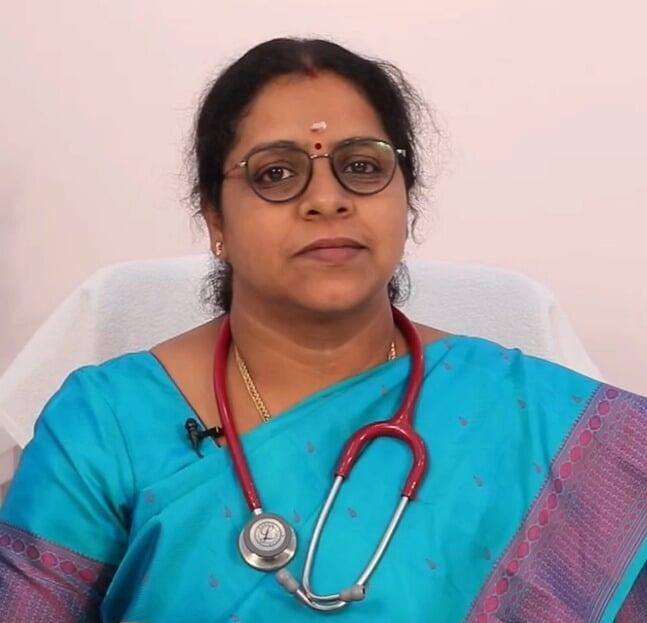
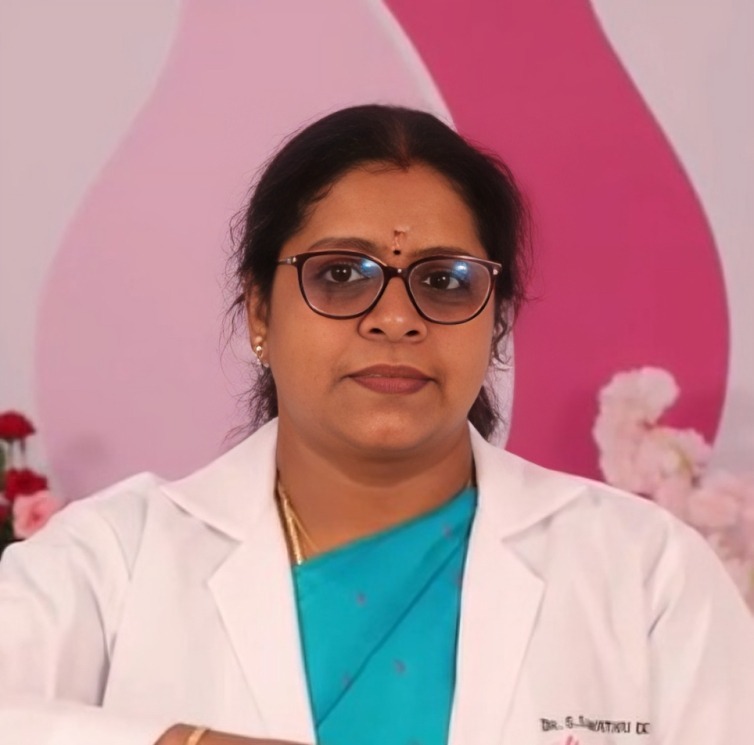
Dr.S.S.Gayathri Devi
MS(OG),FIARM,FICOG,MBA(HM)

Dr.R.Karthikeyan
MS,MRCS (Edin), MCH (Surgical Oncology)
Sr. Consultant- Surgical Oncology

Dr.Noveen Davidson
M.S (GS),MCH (CTVS),FPCTS
SR.ONSULTANT-HEART & LUNG TRANPLANT SURGEON, PAEDIATRIC CTVS
Dr.D.Ramesh Raja
M.B.B.S,PGDCE,FICA,FCSM
Sr. Consultant-Embryology & Sexual Medicine
Dr.S.Ranjani
M.B.B.S, PGDCE
Sr.Consultant-Embryology

Dr.K.Senthilkumar
M.S (GS),FMAS,FIAGES,FAIS,Dip in lap,MBA(HM)
Sr.Consultant- General Laser & Lap Surgeon

Dr.S.S.Sivasaran
M.B.B.S, MBA(HM)
General Practitioner
Dr.P.Surya
M.B.B.S,DGO,FIARM,DRM(Germany)
Sr.Consultant-OG/Reproductive Medicine
Dr.A.Anusha Raaj
MD(OG),MAS,DIP ALS(Germany)
Sr.Consultant-Obstetrics & Gynecology

Dr.Asha Benziger
M.B.B.S,PGDCE
Sr.Consultant-Embryology
DR.SYED MUJTABA BPT , M.I.A.P , HCPC (UK)
CONSULTANT - PHYSIOTHEROPHY & REHAB SERVICES
DR.SHIVANGI AGGARWAL
M.B.B.S , DNB (FAMILY MEDICINE)
CONSULTANT - FAMILY MEDICINE
ART- INTRODUCTION

Assisted Reproductive Technology (ART)
Assisted Reproductive Technology (ART) is a wide range of medical procedures designed to aid individuals and couples in achieving pregnancy when natural conception is not possible or has failed. It involves the manipulation of human gametes (oocytes and sperm) and embryos outside the body.
Robert G. Edwards is known as the pioneer of In Vitro Fertilization (IVF), the cornerstone of modern ART.
In 1978 he achieved the world’s first successful IVF birth, Louise Brown, in the United Kingdom
Since the birth of the first “test-tube baby” in 1978, ART has become an integral component of modern reproductive medicine.
ART is commonly indicated in cases of tubal factor, severe male factor, ovulatory disorders, endometriosis, unexplained infertility and age-related decline in fertility it has a significant role in fertility preservation for patients undergoing gonadotoxic treatments such as chemotherapy
The most widely practiced form of ART is In Vitro Fertilization (IVF) and Intracytoplasmic Sperm Injection (ICSI) and other ART procedures include frozen embryo transfer (FET), donor gamete programs and gestational surrogacy.
Success rates are highly dependent on maternal age, underlying medical conditions and treatment protocols.
ART procedures are physically demanding, emotionally stressful and financially burdensome, due to high costs and inadequate insurance coverage.
ART is associated with several limitations and challenges as ethical, legal and social concerns such as embryo disposition, donor anonymity and surrogacy regulations
In conclusion, Assisted Reproductive Technology has greatly improved the ability to treat infertility and couples to achieve pregnancy. By using medical and laboratory techniques, ART overcomes many barriers to natural conception. Although it has certain limitations and ethical considerations, ART continues to advance and remains an important option for building families worldwide.
Cervical Cancer Awareness Month – January 2026

Cervical Cancer Awareness Month
Cervical Cancer Awareness Month is observed every January by the World Health Organization (WHO) to emphasize
prevention, early detection and education. Cervical cancer is largely preventable and highly treatable when diagnosed
at an early stage through regular screening and HPV Vaccination.
Theme 2026 - PREVENTION • EARLY DETECTION • COLLECTIVE ACTION
A Powerful Preventive Tool- HPV Vaccination,
- HPV vaccination protects against high-risk HPV types that cause most cervical cancers
- Recommended for girls aged 11–12 years
- Can be given starting from 9 years
- Recommended for all females up to 26 years if not vaccinated earlier
- Women aged 27–45 years may consider vaccination after consultation with a Gynaecologist
- HPV vaccination prevents new infections but does not treat existing HPV infections
- Screening remains essential even after vaccination.
Indian women can significantly reduce their risk of cervical cancer by regular screening starting at the age of 21.
Recommended Screening Guidelines
Age 21–29
Pap Smear Test
If normal → Repeat every 3 years
Age 30–65
HPV Test alone 5 years
OR
HPV Test + Pap Smear (Co-testing) 5 years
OR
Pap Smear alone 3 years
Common Screening Tests
HPV (Human Papillomavirus) Test
Pap Smear Test